

Recreation has always been a central part of human life—a space where routine loosens its grip and people reconnect with joy, curiosity, and the freedom to explore. Yet in the last decade, and especially following global cultural and technological shifts, recreation has taken on entirely new forms. What once centered around simple leisure activities has expanded into an interconnected world of digital immersion, nature-based wellness, experiential travel, community building, and personal development. Today, recreation is less about passing the time and more about enriching it.
The Shift Toward Experience-Driven Leisure
Modern recreation has experienced a shift from the passive to the deeply experiential. People no longer seek simple relaxation; they want meaningful, memory-forming engagement. This change can be seen in the rising popularity of experience-focused travel, immersive events, and skill-building activities.
Instead of visiting a destination simply to sightsee, travelers now seek hands-on recreation: cooking local dishes with residents, participating in cultural workshops, exploring remote hiking trails with guides, or learning new crafts from artisans. This evolution suggests that recreation has become an opportunity for personal transformation—an intentional break from daily life that widens perspective.
Wellness at the Heart of Modern Recreation
Recreation and wellness have become inseparable. Millions of people now turn to outdoor activities, sports, and mindful practices to find balance in fast-paced, digitally saturated lives.
Outdoor Fitness and Nature Therapy
Running clubs, community hikes, paddleboarding groups, and outdoor yoga sessions continue to gain traction. Not only do these activities offer physical benefits, but they also reconnect individuals with nature. Forest bathing, mountain retreats, and eco-therapy experiences have risen dramatically as people recognize the calming influence of natural environments.
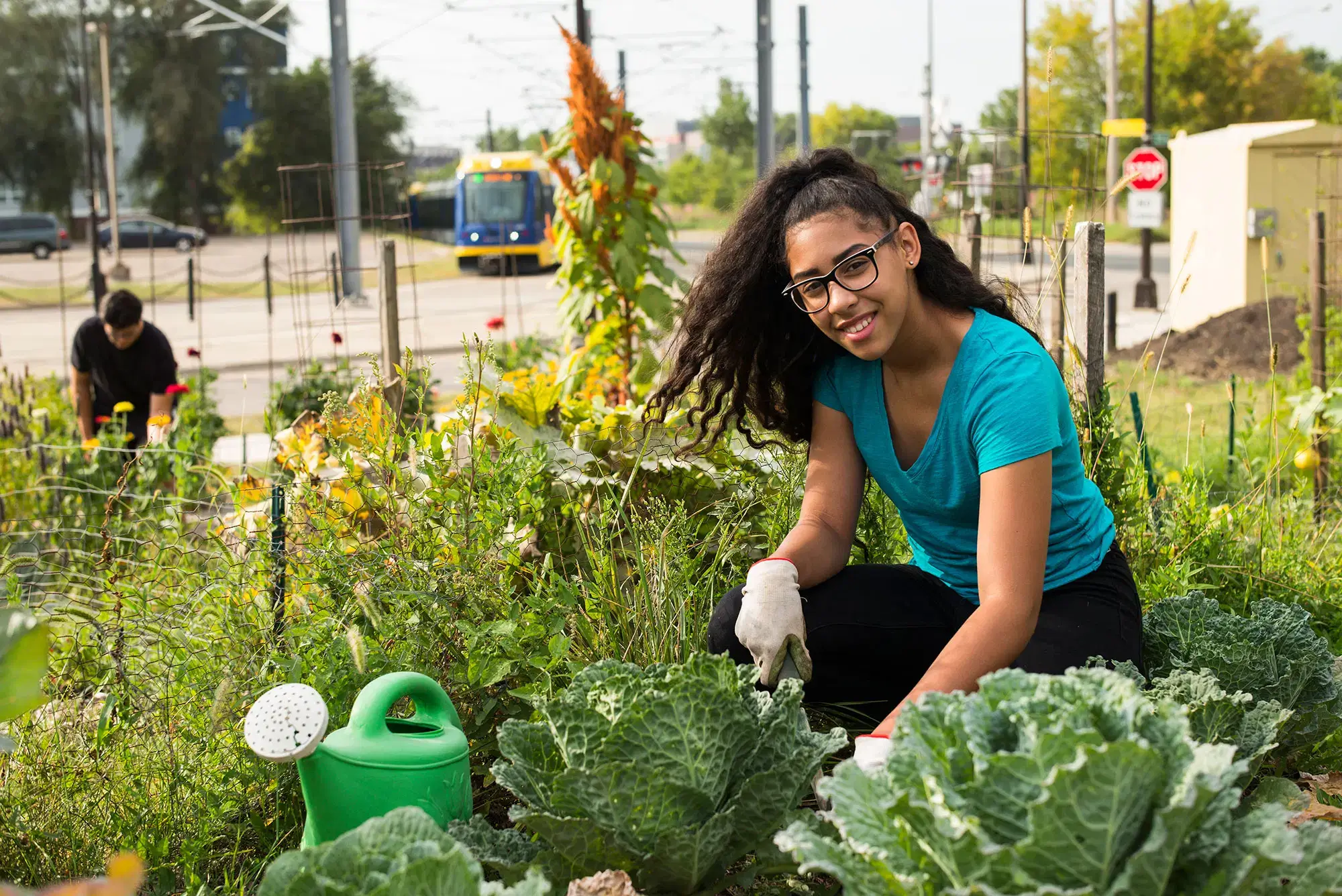
Even urban recreation now incorporates nature through rooftop gardens, green walking routes, and open-air community events. Access to outdoor spaces is increasingly seen as essential to public health.
Mindful Leisure
Meditation retreats, sound-healing workshops, slow-travel itineraries, and digital detox getaways reflect a rising desire for calmer, more reflective experiences. In a world constantly buzzing with notifications, recreational activities that support mental clarity are becoming more sought after than ever.
The Influence of Technology on Recreation
Technology has given recreation entirely new dimensions—some enhancing real-world experiences, others creating fully digital leisure environments.
The Rise of Immersive Digital Recreation
Virtual Reality (VR) and Augmented Reality (AR) have reshaped how people engage with hobbies. VR fitness games bring energetic workouts into small apartments. AR treasure hunts turn cities into interactive playgrounds. Digital concerts and virtual festivals gather thousands of people into shared online spaces, connecting communities across continents.
Just as importantly, gaming has expanded into a full recreational culture that includes esports competitions, livestreaming communities, and cooperative online adventures. For many, digital recreation provides not only entertainment but also social connection.
Smart Gear Enhancing Outdoor Play
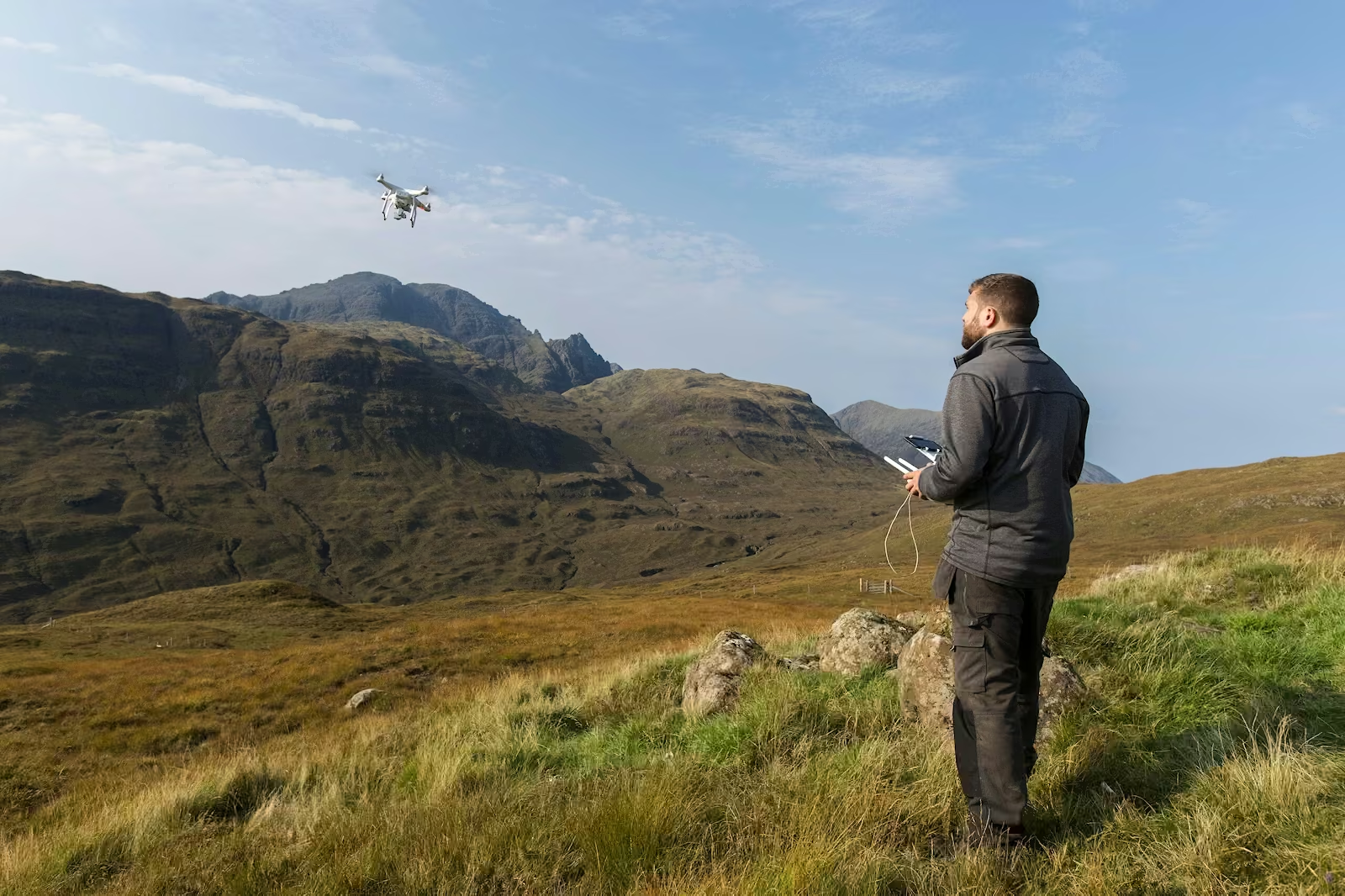
Smartwatches, action cameras, portable drones, and GPS-based equipment allow enthusiasts to track their performance, capture experiences, and explore safely. Whether mapping a mountain route or analyzing a tennis swing, technology offers a deeper, more informed relationship with recreational activities.
Micro-Adventures: Recreation for the Time-Poor
While exotic travel and extended vacations still have their place, many people now embrace the concept of “micro-adventures”—short, accessible recreational outings designed to fit into busy schedules.
Examples include:
-
Overnight camping trips close to home
-
Early-morning hikes before work
-
Evening cycling loops around scenic city outskirts
-
Weekend kayaking on nearby rivers or lakes
-
Local cultural events or themed neighborhood walks
These small-scale experiences rejuvenate without requiring major planning or expense. They represent a democratization of recreation—making adventure feasible for people with demanding jobs or limited budgets.
Community-Based Recreation and the Return of Social Play
Despite the rise of digital entertainment, recreational activities are becoming more community-driven. People increasingly want interactive, shared experiences.
Sports and Group Hobbies
Recreational sports leagues—basketball, football, ultimate frisbee, volleyball—continue to thrive as adults seek outlets that combine fitness with camaraderie. Similarly, group hobbies like board-game cafés, dance classes, and creative workshops foster environments where people meet others with common interests.
Festivals, Markets, and Local Events
Seasonal festivals, farmers’ markets, artisan fairs, and outdoor concerts have become cultural staples. They enrich community life and provide recreation that blends entertainment, creativity, and social bonding in a single space.
Sustainability: A New Pillar of Recreation
Modern recreation often reflects growing environmental awareness. People want to enjoy the planet while protecting it.
Sustainable recreation has taken many forms:
-
Eco-friendly travel that reduces carbon footprints
-
Zero-waste camping and responsible hiking
-
Visiting conservation areas or contributing to wildlife programs
-
Choosing locally run recreational services
-
Supporting community-based tourism in rural or indigenous regions
This shift demonstrates that recreation is no longer simply about fun—it also carries responsibility.
The Impact of Hybrid Work on Leisure Time
Remote and hybrid work schedules have completely changed recreational habits. Freed from rigid office hours and long commutes, many individuals now integrate recreation throughout the day instead of reserving it for weekends.
Some use extended lunch breaks for jogging or gym visits. Others take mid-day nature walks, join evening community classes, or schedule short getaways during less busy work periods. Recreation has become fluid, woven into daily life rather than separated from it.
Looking Ahead: The Future of Recreation
As lifestyles continue to evolve, recreation will follow suit. Some trends expected to grow include:
-
AI-enhanced leisure planning, generating personalized adventure itineraries
-
Mixed-reality recreational parks, blending digital and physical play
-
Growth of eco-retreats offering deeper immersion in sustainable living
-
Expansion of skill-oriented travel, where learning becomes the centerpiece
-
Greater emphasis on mental-health-oriented recreation, from art therapy to mindful sports
What remains constant is the human desire for connection, excitement, and restoration. Whether through digital innovation, nature-based retreats, physical activities, or cultural experiences, recreation will continue to evolve as an essential expression of what it means to live fully.
Leave a Reply